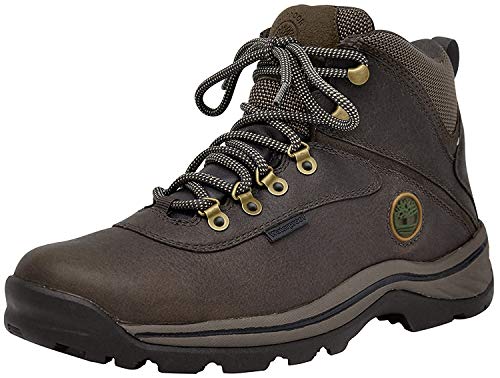
5.11 AT 8″ Tactical Duty Boots Review: Comfort Now, Durability Later? (2026)
Last updated: July 2026
- Re-checked the durability signal against the newest owner reports (early-to-mid 2026) and confirmed the seam-and-pinky-toe tear pattern is still showing up on current production, not just older pairs.
- Re-verified the “comfortable out of the box” claim across the freshest reviews — it’s holding remarkably steady, even from owners who later complained about wear.
- Cross-checked the waterproofing contradiction after seeing conflicting 2026 reports, and refined the guidance on what these actually resist.
Affiliate disclosure: SturdyBoot.com is reader-supported. If you buy through links on this page, we may earn a small Amazon commission at no extra cost to you. It never changes what we report — the analysis below comes straight from owner feedback.
I’ve lost count of how many duty and work boots get called “comfortable” in a listing and then wreck your Achilles by the end of week one. The 5.11 AT 8″ Non-Zip (Style 12422) creates a different kind of confusion: almost everyone agrees it’s shockingly comfortable right out of the box — and a loud, persistent minority says it falls apart faster than a $160-plus boot has any business doing. So which review do you believe?
Here’s the short version. Is the 5.11 AT 8″ worth it? Yes, if you want a sneaker-light, break-in-free duty boot for patrol, security, EMS, or light-to-moderate wear — but temper your durability expectations, because seam and sole longevity is this boot’s real weak spot. This is a synthesis of real owner experience, not a spec-sheet rewrite. If you’re weighing this against a field of duty boots, our police and duty boot buying guide frames the whole category around jobsite risk so you can slot this boot into the right context before you commit.
My Method for This 5.11 AT 8″ Review (and Why You Can Trust It)
- Sample analyzed: I went through a sample of roughly 180 verified-purchase text reviews drawn from both major retail channels. That’s the number of individual written reviews I actually read — not a listing’s global rating total, which runs far higher.
- Time window: The feedback spans roughly late 2022 through mid-2026, which matters here: some longtime fans are grading current pairs against the older “Atlas”-era version of this boot, so a few “it changed” comments reflect nostalgia as much as measurable decline.
- Method: I tagged every review into buckets — comfort/fit, sizing, waterproofing, sole and seam durability, lace hardware, weight, heat behavior, color/regulation, and warranty/support — then separated use-and-fit-driven complaints (wrong width, wrong trade, wrong climate) from likely product-design issues (seam tears, sole flaking).
- Important limitations:
- Reviews skew toward extremes — the delighted and the burned write more than the indifferent.
- Wear intensity is wildly uneven: a warehouse worker doing 10k steps a day on broken asphalt is not testing the same boot as a weekend hiker.
- I prioritized patterns that recur across many owners over one-off lemons (a single bad box isn’t a design flaw).
For the full category framework beyond this single model, the duty-boot selection guide is the companion piece to this review.
Quick Verdict (TL;DR)
Best for:
- Patrol, security, EMS, and duty roles that prize all-day comfort and low weight
- Buyers who hate break-in periods and want “wear it out of the box” comfort
- Light-to-moderate daily wear on dirt, trails, and mixed terrain
Not for:
- Heavy industrial trades on concrete or around sparks/abrasion expecting multi-year life
- Anyone who needs a protective safety toe or an OSHA-rated boot (this isn’t one)
- True wide-footed buyers, who repeatedly report the “wide” runs narrow
Standout win:
- The most consistent comfort signal I’ve seen in a duty boot — “like wearing tennis shoes” comes up again and again, often from day one.
Watch-outs:
- A recurring seam/pinky-toe tear and sole-wear pattern that can show up well under a year of hard use.
Confidence Score: 🎯 8.5/10 — This reflects how confidently I can tell you who this boot fits, not a reliability guarantee. The comfort signal is about as consistent as owner feedback ever gets, and the failure modes are specific and predictable, which makes the “buy / skip” call clean. It loses points because the durability split is genuinely polarized and depends heavily on your trade.
What This Boot Is (and What It Isn’t)
The 5.11 AT 8″ Non-Zip is a lightweight, 8-inch lace-up tactical duty boot built around 5.11’s “All Terrain” comfort system, with a soft, athletic-shoe feel rather than a stiff work-boot last. It’s a soft-toe boot — there’s no protective safety cap.
Three misconceptions worth clearing up:
- “It’s a rugged industrial work boot.” Not really. Owners consistently frame it as a comfort-and-mobility boot for duty and light work, not a concrete-and-sparks tank.
- “It’s fully waterproof.” Feedback splits hard here. Some owners hike through puddles bone-dry; others flatly say it’s not waterproof at all. Treat it as water-resistant that benefits from retreating.
- “The ‘Coyote’ color is regulation coyote brown.” Multiple service members dispute this, saying the tan reads lighter than AR 670-1 / OCP coyote. If you need uniform compliance, verify before buying.
The Specs That Actually Change Your Day
- Toe type (soft toe): No safety cap, so it won’t satisfy a jobsite that requires impact/compression protection. If your employer’s PPE assessment calls for a rated toe, this boot doesn’t clear it. For what those ratings actually mean, our ASTM F2413 safety-standard explainer breaks down the marking system in plain English.
- Weight (very light): The single most-praised trait after comfort. Owners repeatedly compare the feel to sneakers, which is why it wins for long shifts on your feet.
- Lace-up hardware / non-zip: The adjustability (independent tightening top and bottom) is a genuine strength — but the non-zip design draws steady “hard to get on and off” complaints, and a couple of owners report lace eyelets separating or grommets placed awkwardly.
- Outsole: Grippy and comfortable when new, but sole flaking, tread chipping, and quick corner-wear are the most common durability gripes.
- Upper (suede/leather): Comfortable and good-looking, but seam integrity near the pinky toe is the recurring failure point.
- 8-inch ankle height: Real ankle support that owners in SAR, security, and hiking specifically call out as protective on uneven ground.
Sizing & Fit — What Owners Actually Report
Verdict: mostly true-to-size, but the “wide” is the catch. The clear majority say order your normal size — several note it matches their New Balance or regular sneaker size.
- Width behavior: This is the big one. Owners who buy the wide repeatedly say it doesn’t feel wide — pinching near the pinky toe and a high arch come up over and over. One buyer went up a half size unnecessarily and told others with wide feet to just buy their normal size.
- Arch: A few describe a high or aggressive arch that felt like “a tennis ball” underfoot — a return trigger for flat-footed buyers.
- Half-size guidance: Most don’t need to size up. A minority with a between-sizes foot went up a half; a couple who sized up regretted it.
If heel slop or a too-high arch is a known issue for your foot shape, our work boot fit and sizing guide walks through lacing and insole fixes before you blame the boot.
Marketing Claims vs What Owners Actually Live With
| Feature | What the Manufacturer Says | What It Actually Means (User Experience) | Compared to Competitors |
|---|---|---|---|
| Comfort / break-in | All-day comfort, All Terrain system | Genuinely delivers — near-universal “comfortable from step one,” often zero break-in | Beats most duty boots owners have tried; the recurring highlight |
| Weight | Lightweight performance | Sneaker-light; a top reason owners re-buy | Lighter than typical leather duty boots owners compare it to |
| Waterproofing | Water-resistant/repellent | Polarized — dry for some, “not waterproof at all” for others; needs retreating | Less dependable than dedicated waterproof-membrane rivals |
| Sole durability | Durable outsole | Grippy new, but flaking, chipping, and fast corner-wear reported | Owners say pricier Lowa/Salomon soles outlast it |
| Seam / upper durability | High-performance construction | Recurring tear at the outer pinky-toe seam, sometimes within months | A notable weak point vs. boots owners kept “for years” |
| On/off ease | Non-zip design | Divisive — many want a side-zip; some unlace fully to get in | Zip-equipped rivals are easier to don |
Where Owners Split: The Comfort-vs-Durability Story (Deep Pattern Analysis)
The comfort-vs-durability paradox (the thing owners obsess over)
In a nutshell: This is the story of this boot. Owner after owner calls it the most comfortable boot they’ve ever worn — and a large share of those same people, or the next reviewer down, describe it wearing out faster than the price suggests.
Hidden strength: The comfort is not marketing fluff. It shows up across trades, climates, and step counts, from 15,000-step security shifts to 125-mile trail hikes with zero blisters. Even people returning them for durability admit they were incredibly comfortable.
Hidden weakness: That comfort can lull you past the point where you’d otherwise judge longevity. The boot feels so good that owners keep wearing (and re-buying) it despite knowing the sole or seam won’t go the distance.
What to do about it: Match the boot to the job. For duty, security, EMS, and light wear, the comfort payoff is worth it. For heavy abrasion trades, budget for a shorter service life or look elsewhere.
The repeat-defect pattern: tears at the outer pinky-toe seam
In a nutshell: This is the information-gain finding most listings won’t tell you. The same failure — a tear on the outer side near the pinky toe, or a seam letting go — recurs not just across owners but on replacement pairs for the same buyer. One owner returned a torn pair and the replacement tore in the identical spot; another had it happen on both boots.
Hidden strength: Because it’s so localized, it’s easy to inspect for early (see the return-window check below).
Hidden weakness: When the same defect lands on a replacement pair at the same spot, that points to a construction-consistency issue, not bad luck.
What to do about it: Inspect the outer forefoot seams closely in the first two weeks, flex the boot hard, and if you see stitching stress, return it inside the window rather than hoping it holds.
Failure timing and sequence: comfort first, seams and soles later
In a nutshell: The deterioration order is predictable. Comfort is immediate; problems surface later — threads fraying and seams tearing anywhere from a few weeks to a few months in, with sole flaking/tread-chipping often around the six-month-to-one-year mark.
Hidden strength: Early comfort buys real productivity for the first stretch of ownership.
Hidden weakness: Several failures cluster after a typical return window closes — the classic return-window trap — so the boot feels perfect exactly when you’d normally be deciding whether to keep it.
What to do about it: Don’t coast on the honeymoon. Stress-test hardware and seams early (below) so a slow-building defect doesn’t reveal itself only after you’re locked in.
The re-buyer paradox
In a nutshell: A striking number of critics are on their second, third, even sixth pair. People who rate durability a 2/10 in the same breath say they keep buying because nothing else feels this good.
Hidden strength: That’s the strongest possible signal that the comfort is real and, for many, worth the trade-off.
Hidden weakness: It also quietly normalizes short lifespan — owners have accepted replacing them as a cost of the comfort.
What to do about it: Decide honestly whether you’re a “comfort at any cost” buyer. If yes, this boot is a rational (if repeat) purchase. If you want one pair to last years, that expectation is where owners get burned.
The waterproofing contradiction
In a nutshell: Rarely have I seen a boot this split on water. Some owners hike through 2–3 inch puddles and stay dry; others say, in capitals, that it’s not waterproof at all.
Hidden strength: With a suede/leather waterproofing spray applied before wear, several owners report solid water resistance.
Hidden weakness: Out of the box, it’s inconsistent, and it clearly isn’t a sealed-membrane boot despite some listings implying otherwise.
What to do about it: Treat it as water-resistant, retreat it proactively, and don’t rely on it for standing water or all-day wet.
Use-case threshold: where happy owners and unhappy owners divide
In a nutshell: The cleanest predictor of satisfaction is the job. Dirt terrain, patrol, security, EMS, hiking, and light duty produce glowing reviews. Warehouse floors, concrete, HVAC crawling, railroading, and spark-adjacent trades produce the tear-and-wear complaints.
Hidden strength: In its lane, it’s a standout.
Hidden weakness: Owners themselves warn it’s not built for construction-site concrete or heavy abrasion.
What to do about it: Be honest about your surface and hours. If your day is concrete and abuse, filter this boot’s raving comfort reviews through the trade of the person writing them.
Loved for Comfort, Doubted for Durability (The Good, Bad & Ugly)
The Good (comfort & mobility)
- Near-universal out-of-the-box comfort, minimal-to-no break-in
- Genuinely lightweight — repeatedly compared to sneakers
- Real 8-inch ankle support that owners trust on uneven ground
- Independent top/bottom lace adjustability that owners love
- Dark Coyote colorway hides scuffs and abrasions well
The Bad (fit & convenience)
- “Wide” width runs narrow; pinky-toe pinch and high arch are recurring
- Non-zip is a hassle to get on and off; steady requests for a side-zip
- Waterproofing is inconsistent and needs retreating
- Occasional Achilles/back-shaft rub for some foot shapes
The Ugly (durability)
- Recurring seam tears at the outer pinky toe — sometimes on replacement pairs at the same spot
- Sole flaking and tread chipping, often well before you’d expect at this price
- Reports of the same defect surviving a return-and-replace cycle
Mini Toolkit: Decide + Fix (Fast)
Issue-Tag Box: #pinky-toe-seam-tear · #sole-flaking · #runs-narrow-in-wide · #no-side-zip · #waterproofing-inconsistent · #high-arch
Fit Mini-Matrix
| Foot type | Verdict |
|---|---|
| Narrow / standard | Best fit — order true to size |
| Wide | Risky — owners say “wide” isn’t wide; pinky-toe pinch common |
| High-volume / high-arch sensitive | Try before committing; arch runs aggressive for some |
Mini Decision Tree
- If you need a safety toe or OSHA-rated boot → skip this one.
- If your day is concrete/sparks/heavy abrasion → expect short life or look elsewhere.
- If you want light, comfy, break-in-free duty wear → strong buy.
- If you have truly wide feet → size cautiously or pass.
- If uniform-coyote compliance matters → verify the color first.
Troubleshooting Quickflow
- Boot feels great but you’re unsure it’ll last → inspect outer forefoot seams now.
- See stitching stress or a starting tear → return inside the window; don’t wait.
- Getting minor water seepage → apply suede/leather waterproofing spray, let cure.
- Slight heel or Achilles rub → adjust top-lace tension (keep the back looser).
- Arch feels high → swap to a flatter aftermarket insole.
- Sole corner-wearing and rolling your ankle → retire them; for resole/hardware questions, consult a cobbler or qualified repair.
Test These Before Your Return Window Closes
Before your return window closes, actually test the things owners got burned by:
- Flex the forefoot hard and inspect both outer pinky-toe seams for any stitching stress or starting tears.
- Do a quick soak or hose test on the toe box, then check inside for dampness — don’t assume waterproof.
- Walk a full shift’s worth of steps to surface any Achilles/back-shaft rub or high-arch discomfort early.
- Confirm the width honestly — if the “wide” pinches, exchange now rather than living with it.
- Check the toe-cap area for molding defects (a few owners got air bubbles in the plastic).
For the full pre-purchase pressure-test approach across duty boots, the category duty-boot guide expands on this.
Sizing & Insider Tips (Realistic)
- Order your normal sneaker size; most owners confirm true-to-size.
- If you have wide feet, don’t assume the “wide” solves it — several wide-footed buyers were happier in standard width or returned the wides.
- To ease the no-zip on/off, unlace the top two eyelets rather than the whole boot.
- Keep the top laces looser on the back side — owners with Achilles rub found this fixes it.
- Apply a suede/leather waterproofing spray before first wear, especially on black suede, to firm up water resistance and keep the color dark.
- If the arch feels aggressive, a flatter aftermarket insole tames it (several owners did exactly this).
- Rotate pairs if you’re high-mileage — owners who alternated boots got noticeably more life out of the soles.
- Inspect outer forefoot seams weekly in month one; early tears are your cue to return, not repair.
- Don’t scuff them hard on concrete corners if you can help it — that’s where the fast wear starts.
- For anything past basic care — resoling, hardware replacement, or slip-hazard concerns — consult a cobbler or qualified repair, and verify against your employer’s PPE hazard assessment. Note these are not resolable per multiple owners, so factor that in.
- If you’re hard on footwear at work, our break-in and boot-care tips help you get the most out of the comfort window.
Owner Stories
These are composite scenarios built from recurring owner patterns — not direct quotes.
- The happy re-buyer (security/EMS): He’s on his third pair. Durability frustrates him — laces fray, heels wear — but nothing else feels this good on a 12-hour shift, so he keeps coming back. For his job, comfort wins the trade every time.
- The wrong-job mismatch (warehouse/industrial): She bought them for warehouse concrete on the strength of the comfort reviews. They felt amazing — then a seam blew open at the heel within weeks. The boot was never built for her surface, and the raving reviews she trusted came from lighter-duty wearers.
- The wrong-width returner (wide feet): He ordered the wide expecting room and got pinched at the pinky toe with a too-high arch. Comfortable everywhere else, but the width killed it. He returned them wishing he’d bought standard width in his normal size.
SEE MORE OWNER FEEDBACK ON AMAZON
Who This Is For (and Who Should Skip It)
Buy it if…
- You’re in patrol, security, EMS, corrections, or SAR and live on your feet
- You want sneaker-light comfort with real ankle support and no break-in
- Your terrain is dirt, trail, or mixed — not concrete all day
- You have narrow-to-standard feet
- You’re okay retreating for water resistance
Skip it if…
- You need a protective safety toe or OSHA-rated footwear
- Your trade is heavy industrial abrasion and you want multi-year life from one pair
- You have genuinely wide feet or a high-arch sensitivity
- You require certified uniform-coyote color compliance
- You want a truly sealed-waterproof boot out of the box
If you’re comparing options, start here: Top Police & Duty Boot Picks
Alternatives (Quick Comparisons)
- Need multi-year durability over featherweight comfort? Owners repeatedly name pricier boots like Lowa and Salomon as lasting longer — worth it if longevity beats out-of-box comfort for you.
- Need a genuine safety toe for an OSHA jobsite? This soft-toe boot won’t qualify; browse rated options in our best work boots roundup.
- Want maximum all-day comfort in a different silhouette? See our most comfortable work boots for cushioning-first picks.
- Prioritizing low weight above all? Compare against the field in our lightweight work boots guide.
The Questions 5.11 AT 8″ Buyers Keep Asking (FAQ)
What should I stress-test the moment they arrive?
Inspect both outer pinky-toe seams and flex the forefoot hard — that’s this boot’s signature failure spot. Then do a quick toe-box water test, walk a full shift to catch any Achilles rub or high-arch discomfort, and confirm the width fits. Surfacing any of these inside the return window is the difference between an exchange and being stuck.
What tends to go wrong, and how do I fix it?
The big three are seam tears near the pinky toe, sole flaking, and a “wide” that runs narrow. Fixes: return early if you spot seam stress (these aren’t resolable), rotate pairs to extend sole life, and order standard width unless you’re confident. For Achilles rub, keep the back laces looser.
Will these suit my foot shape and my line of work?
For narrow-to-standard feet in duty, security, EMS, or light-wear roles — yes, emphatically. For wide feet, high arches, or heavy industrial concrete-and-abrasion work, they’re a weaker match. The comfort is universal; the durability and width are where fit-to-job matters.
How many miles (or months) do these really last?
It depends entirely on use. Light-duty and patrol owners report multiple years and comfort that holds; heavy-trade owners report seams tearing in weeks-to-months and soles wearing within about a year. There’s no single number — your surface and hours drive it more than the boot does.
Are they actually waterproof, or just water-resistant?
Not reliably waterproof. Owner reports split sharply — some stay dry through puddles, others say they’re not waterproof at all. Treat them as water-resistant, apply a waterproofing spray before wear, and don’t count on them for standing water.
5.11 AT 8″ vs a premium boot like Lowa — which should I pick?
Pick the 5.11 for out-of-the-box comfort, low weight, and a lower price; pick a premium boot like Lowa if longevity is your top priority. Owners who own both consistently say the 5.11 is more comfortable early on, while the pricier boot’s sole and construction outlast it. It’s comfort-and-value versus long-haul durability.
Do these pass uniform coyote-brown regulations?
Several service members say no — the tan reads lighter than AR 670-1 / OCP coyote brown, and the black logo heat-transfer has also been flagged as non-compliant. If you need regulation color, verify against your standard before buying rather than trusting the “Coyote” label.
Final Verdict
The 5.11 AT 8″ Non-Zip is one of the most comfortable duty boots owners have ever put on — light, supportive, and ready to wear from the first step. That’s not hype; it’s the single most consistent thread across hundreds of reviews. The catch is equally consistent: seam and sole durability is this boot’s weak spot, with a repeat tear pattern at the outer pinky toe and sole wear that can arrive faster than the price implies. If you’re a patrol, security, EMS, or light-duty wearer with narrow-to-standard feet who values comfort and mobility over squeezing years out of one pair, this is an easy recommendation. If you’re grinding concrete all day, need a safety toe, or want one bulletproof pair for the long haul, look elsewhere.